
Screen Time and Speech Delay
Real-life interactions are the most powerful tools for healthy communication development.
Speech Therapy
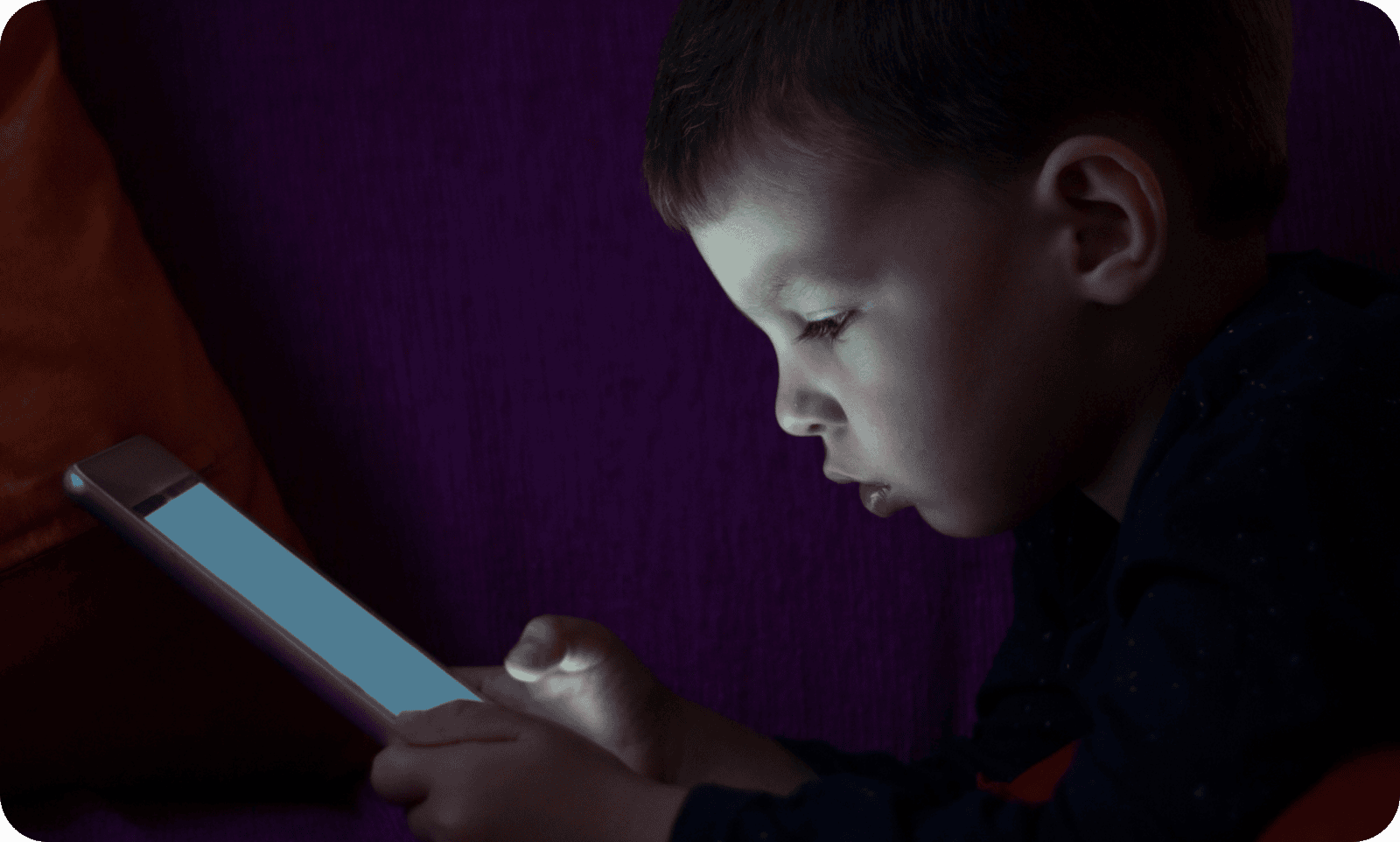
In today’s digital world, screens are a natural part of daily life - phones, tablets, TVs, and even learning apps. It’s understandable that many parents wonder: Does screen time affect my child’s speech and language development
Current research suggests that excessive or unstructured screen use, especially before the age of 3, can negatively impact early communication skills. Young children learn best through real-life interactions— eye contact, gestures, play, and conversations—which screens cannot fully replace.
How Screen Time Can Influence Speech Development
While screens can offer entertainment and learning opportunities, too much exposure may create challenges such as:
- Reduced Opportunities for Interaction
Young children build vocabulary and communication through back-and-forth exchanges. When screens replace these interactions, they miss valuable language input.
- Limited Play-Based Learning
Hands-on play helps children explore, experiment, and use language meaningfully. Screens are often passive and do not support the same level of cognitive and language development.
- Overstimulation and Attention Difficulties
Fast-paced videos and frequent visual changes can overwhelm a child’s developing brain, making it harder to focus, listen, and process language.
- Impact of Background TV
Even when no one is actively watching, background TV noise has been shown to interrupt play and reduce the amount of talking between parents and children.
Healthy Screen Habits for Growing Communicators
The goal is not to eliminate screens completely, but to use them wisely and intentionally. Research-based guidelines recommend:
Ages 0–2 years:
- Avoid screens as much as possible
- Prioritize human interaction—talking, singing, playing, and reading
Ages 2–5 years:
- Limit screen time to no more than 1 hour per day
- Choose high-quality, age-appropriate content
- Watch together—add explanations, name objects, and ask questions
For all ages:
- Keep screens off during meals, play, and family time
- Make bedtime screen-free to support healthy sleep
- Encourage outdoor play, pretend play, and daily routines that naturally build language
Why Everyday ABA Matters??
Screens do not directly cause speech delay. However, too much screen time can reduce the real-life interaction and play that children need to build strong language skills.
By maintaining a healthy balance and engaging with your child during screen use, you can support better communication, attention, and overall development.
If you have concerns about your child’s speech or screen habits, our team is here to guide you with personalized strategies and evidence-based support.